


What is hollow-cheek filler?
Hollow-cheek filler involves injecting filler into cheek areas that have hollowed or lost volume to restore fullness and smooth their contours.
The filler commonly used is Hyaluronic Acid (HA), which can fill tissue and improve midface continuity.
Results depend on several factors, such as:
- Degree of cheek hollowing
- Facial bone structure
- Existing fat and tissue volume
- Cheekbone prominence
- Age and facial changes
- Filler amount and properties
- Injection technique and location
Highlights of the hollow-cheek filler programme
- Helps fill hollow or sunken cheek areas
- Helps make the midface appropriately fuller
- Helps improve continuity of the cheek-area facial contour
- May reduce a hollow or tired facial appearance in some cases
- Amounts and locations can be designed for each individual
- Helps adjust facial balance without surgery in suitable cases
What can hollow-cheek filler improve?
Filling sunken or hollow cheeks
Adds volume where cheeks look sunken, improving facial balance.
Making the midface look fuller
Appropriate cheek volume may make the overall face look fresher and more continuous.
Reducing cheekbone prominence in some cases
Marked hollowing below or around cheekbones may make them more prominent. Appropriate volume placement may improve balance there.
Adjusting facial balance
Some people have unequal left and right cheek volume. A doctor can assess how to improve symmetry.
Softening transitions between the under-eye area, cheeks, and temples
Hollow cheeks may relate to under-eye or temple hollowing in some cases, requiring assessment of several locations together.
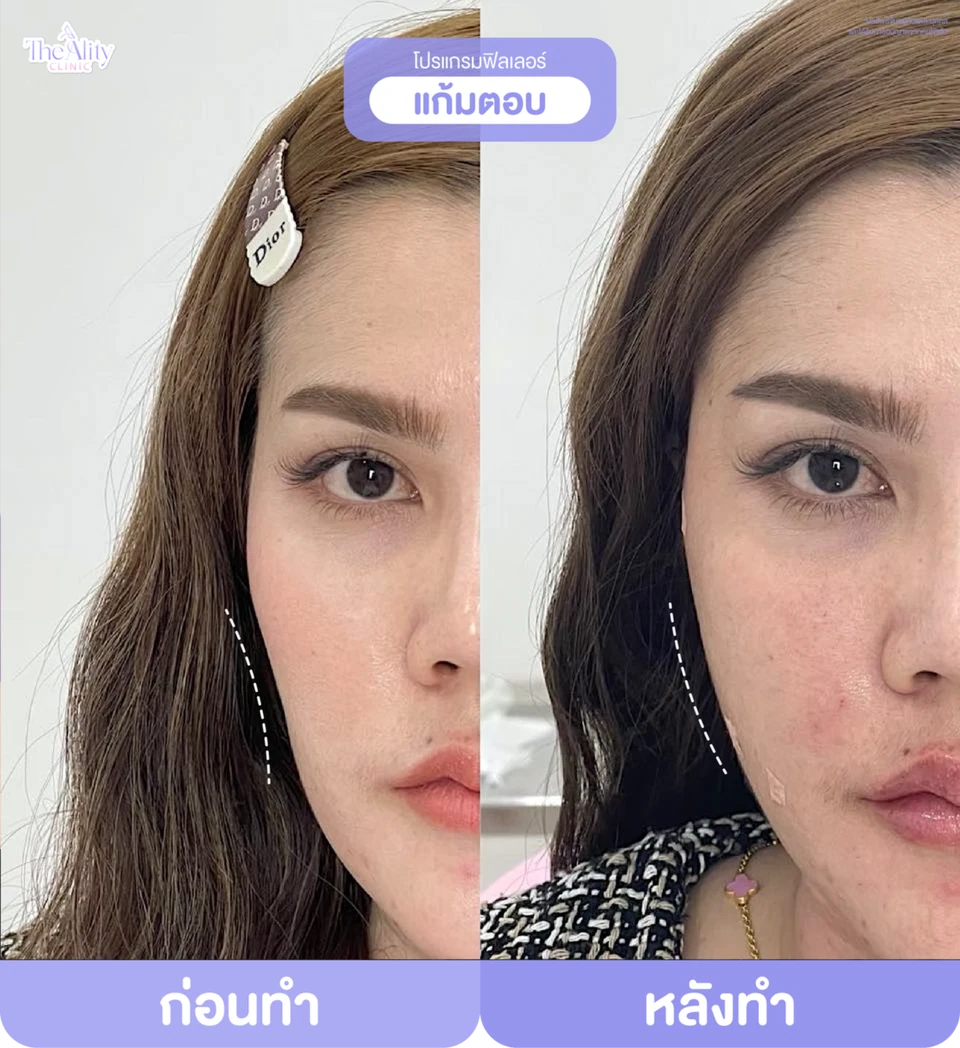
Who is hollow-cheek filler suitable for?
The hollow-cheek filler programme may be suitable for people who:
- Have hollow or sunken cheeks
- Feel the midface looks tired or lacks volume
- Have prominent cheekbones with hollow cheeks
- Have a more hollow face after weight loss
- Have age-related cheek volume loss
- Have unequal left and right cheek volume
- Want non-surgical facial reshaping
What causes hollow cheeks?
Hollow cheeks can result from several factors, such as:
- Natural facial structure
- Low cheek fat volume
- Weight loss
- Age-related fat and tissue changes
- Prominent cheekbones
- Left–right facial differences
Different causes produce different hollowing patterns. Assess where to fill and whether other locations also need consideration.
Can hollow-cheek filler make the face look younger?
Reduced cheek volume may make the face hollow, reveal bone contours, or look more tired than usual.
Appropriate filler placement may make the midface fuller and more balanced, changing overall appearance in some cases.
However, results depend on individual structure, and filler does not address every type of sagging or skin-quality concern.
Can hollow-cheek filler lift the face?
Its main purpose is adding volume and adjusting cheek proportions.
With some facial structures, a fuller, balanced midface may change overall appearance, but hollow-cheek filler is not directly a lifting treatment.
If sagging is also present, the doctor should assess whether other methods are needed.
How many cc of hollow-cheek filler are needed?
The amount depends on hollowing in both cheeks, facial structure, and desired result.
Some have mild hollowing; others have marked hollowing or related areas such as under-eyes, temples, or front cheeks, so amounts differ.
The doctor assesses amounts according to facial proportions; do not decide by cc alone.
Which hollow-cheek filler should be selected?
Formulations differ in firmness, elasticity, shape retention, and spread.
For hollow cheeks, the doctor commonly considers factors such as:
- Depth of the area to fill
- Desired volume
- Midface structure
- Cheekbone prominence
- Continuity with nearby locations
- Whether a natural look or more dimension is desired
Select filler by properties and treatment plan rather than brand name alone.
Steps in hollow-cheek filler treatment
1. Assessing facial structure
The doctor checks cheek hollowing, cheekbone prominence, temples, under-eyes, and facial symmetry.
2. Analysing the cause of hollow cheeks
Assesses whether the cause is structure, reduced fat, age, or several factors together.
3. Planning locations and amounts
Determines areas to fill and whether other locations also need adjustment.
4. Preparing the area before injection
The area is cleaned and prepared before treatment according to clinic procedures.
5. Injecting filler according to the plan
The doctor gradually places filler in the assessed locations.
6. Checking after treatment
Facial balance is assessed and aftercare advice is provided.
How long does hollow-cheek filler last?
The duration of results varies between individuals and depends on several factors, such as:
- Filler formulation
- Amount used
- Injection location
- Individual structure and metabolism
- Aftercare
Hyaluronic Acid filler gradually decreases through the body’s processes over time.
Will there be swelling after hollow-cheek filler injections?
Some people may have swelling, tightness, tenderness, needle marks, or bruising after treatment.
Severity varies individually, and initial shape may not be final because swelling must subside first.
If unusual symptoms occur, such as unusually severe pain, skin colour changes, or concerning symptoms, contact the clinic or seek medical attention immediately.
Preparing for hollow-cheek filler injections
Before treatment, tell the doctor about:
- Underlying medical conditions
- Any history of drug allergies
- Current medicines and supplements
- Previous cheek or facial filler
- Previous filler dissolution
- Facial procedures or surgery
- Inflammation or infection in the treatment area
Aftercare following hollow-cheek filler injections
Follow the doctor’s and clinic’s advice after treatment. In general:
- Avoid pressing, massaging, or rubbing the injected area yourself
- Avoid sleeping with pressure on cheeks initially
- Avoid intense heat
- Avoid activities that may impact the face
- Keep treated areas clean
- Take medicines only as directed by the doctor
- Watch for abnormal symptoms after treatment
Is downtime needed after hollow-cheek filler?
Generally, daily activities can resume, but some people may have swelling, needle marks, or bruising.
For important events or activities, allow time for swelling and bruising to subside first.
Will hollow-cheek filler make the face too round or puffy?
The aim is filling only volume-deficient areas to balance facial structure, rather than making cheeks overly firm or puffy.
Results depend on the doctor’s placement, amount, and design. Appropriate planning usually seeks smoothness and a natural appearance rather than an overly obvious shape change.
Do both hollow cheeks need the same amount?
Not necessarily.
Faces usually differ between left and right. One cheek may be more hollow or have different volume.
The doctor may therefore select different amounts for each side to improve facial balance.
Can hollow-cheek filler be dissolved?
For Hyaluronic Acid filler, the enzyme Hyaluronidase can help dissolve it when the doctor determines there is an indication.
A doctor should assess first, considering the location, amount, and characteristics of existing filler.
Can I add more after previous cheek filler?
Additional filling can be assessed, but first check remaining filler amount, location, and whether the current facial shape is balanced.
If brand, formulation, amount, and injection date information is available, tell the doctor before treatment.
Is hollow-cheek filler dangerous?
Cheeks contain important vessels and structures; a doctor understanding facial anatomy should assess and inject them.
As with filler elsewhere, side effects or complications can occur. Choose appropriate products and a medical facility capable of managing complications.
Frequently asked questions
Filling hollow cheeks in balance with the whole face
Cheeks are an important part of the midface and clearly affect overall facial shape.
Hollowing or insufficient volume here may make the face hollow, reveal structure, or interrupt continuity between under-eyes, cheekbones, and temples. Hollow-cheek filler therefore involves appropriate filling for balance with original structure, rather than simply increasing fullness.
The doctor assesses facial shape, hollowing on both sides, and nearby areas together before selecting suitable locations, amounts, and filler individually.